
Ed Craft Group · Southwest Colorado Field Notes
A calmer winter arrival in Southwest Colorado
Prepare for a winter arrival in Southwest Colorado with current road information, vehicle checks, delay supplies and a confirmed route into the house.
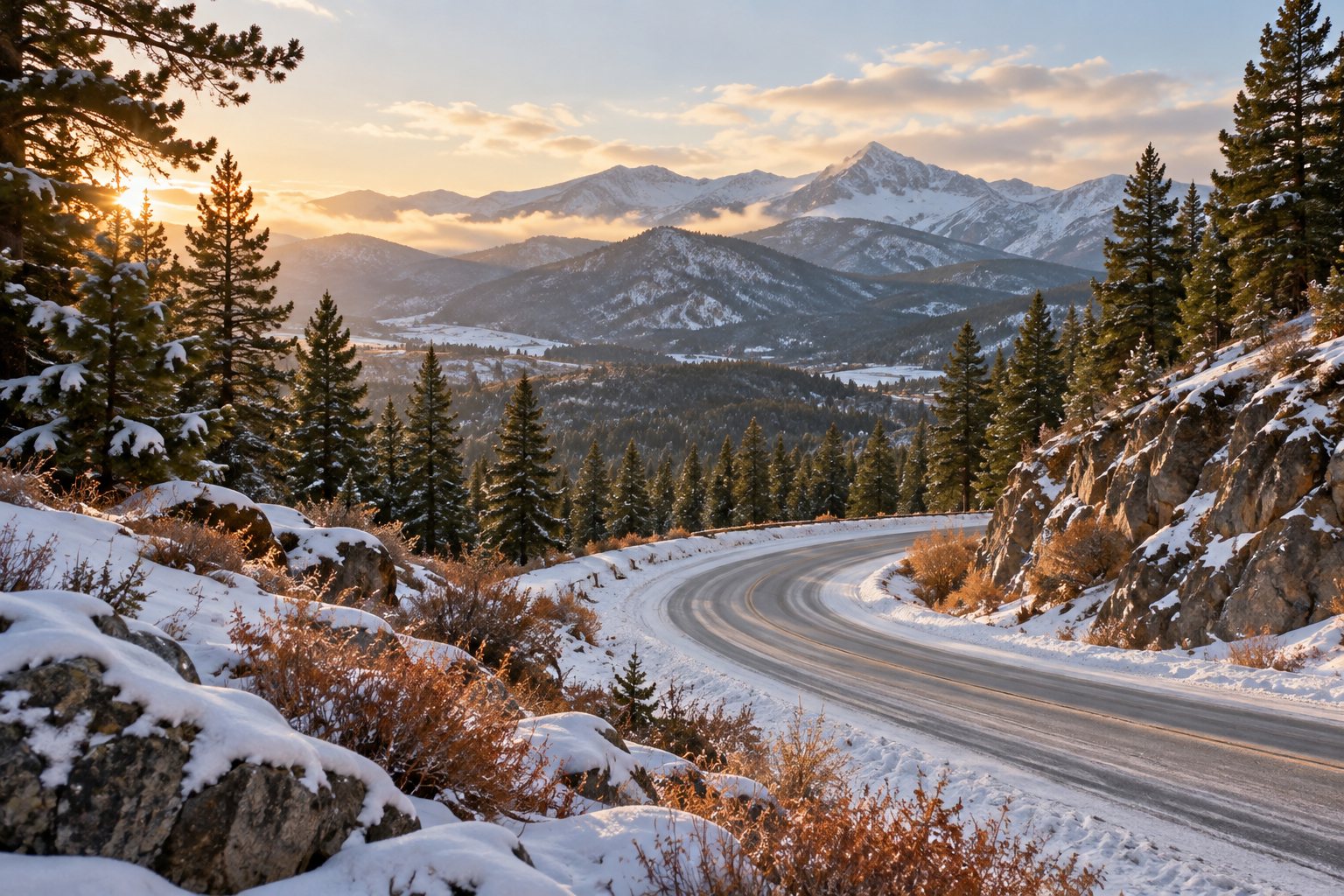
In Ed and Lisa Craft’s September conversation, the drive to the ski area quickly became a discussion about what to keep in the car. Their useful point was simple: an enjoyable day can include an unexpected delay. Water, food and warm layers belong in the plan before the road asks you to wait.
A winter arrival has several parts: reaching the region, traveling the mountain segment and getting from the public road to the house. Planning those parts separately helps you ask better questions than “How long is the drive?” A summer travel time is not a commitment that winter conditions can keep.
Check the actual route before departure
Use COtrip and the weather forecast before leaving, then check again before the mountain portion of the journey. In the conversation, the Crafts discussed U.S. 160 and the possibility of delays around Wolf Creek. Current closures, traction restrictions and road work must come from current official reports, not a story from a previous trip.
Share the route and expected arrival with someone who needs to know. If the day changes, update that person while you have a safe opportunity. Download practical arrival information in advance so the last stage does not depend on finding a text message in an area with uncertain reception.
Build room in the schedule for an earlier stop or a changed plan. Ask about lodging and activity cancellation terms before travel, especially when a reservation could otherwise pressure someone to keep driving. A delayed arrival is easier to manage when dinner, key access and the first morning are not all tied to one narrow time window.
Confirm the vehicle and its equipment
CDOT distinguishes its passenger-vehicle traction law from its more restrictive passenger-vehicle chain law. Read the current requirements for tires, tread, drivetrain and approved traction equipment before the trip. An AWD badge by itself is not a complete answer, and additional weight does not replace suitable tires or required equipment.
For a rental, ask the company exactly what the reservation provides and what traction equipment it allows. Make those questions part of booking, then verify the actual vehicle at pickup. If required equipment is unfamiliar, obtain the provider’s instructions before you need to use it in winter conditions.
For your own vehicle, discuss seasonal readiness with a qualified service professional. Keep the road kit accessible rather than beneath a packed trunk. A windshield scraper, warm clothing and necessary personal supplies should be easy to find without unloading everything beside the road.
Pack for waiting as well as arriving
The Crafts’ emphasis on snacks and blankets is useful because a car packed for a holiday can still be poorly packed for a delay. Keep drinking water, food, warm layers, blankets, needed medications, phone charging and an appropriate emergency kit within reach. Consider the needs of every passenger, including children and pets.
Review official winter-emergency instructions before departure. Do not improvise with a candle or another flame as a vehicle heater. If stranded, follow emergency guidance and instructions from responders; the correct response depends on the situation. The practical preparation is to have supplies and a communication plan before judgment becomes harder.
A short group check before starting can prevent avoidable frustration: everyone has their coat, essential medication is in the vehicle rather than a separate shipment, and the arrival contact knows when to expect an update. None of that changes the weather, but it gives the people in the car more options.
Ask about the final approach to the house
Once the highway questions are answered, ask about the drive itself. Who clears it? Is there space to turn around? Where should you park? Which entrance will be accessible? A host or owner should be able to explain the current arrangement, including any limitations after a storm.
Clarify the walking route too. Clearing a drive and clearing the steps are separate jobs. If anyone needs an accessible entrance or assistance carrying luggage, discuss it before arrival. Do not make a guest discover the limitation while standing beside the car.
The best arrival plan ends simply: the route has been checked, the house contact knows your timing and there is enough flexibility to change course. Once the bags are inside, the preparation can disappear into the background. There is no need to make the first evening a test of endurance before the Colorado visit has even begun.