
Ed Craft Group · Southwest Colorado Field Notes
Snow removal in Southwest Colorado: plan all the way to the front door
Plan snow removal from the road to the front door. Confirm driveway, walkway and arrival responsibilities for your Southwest Colorado home.
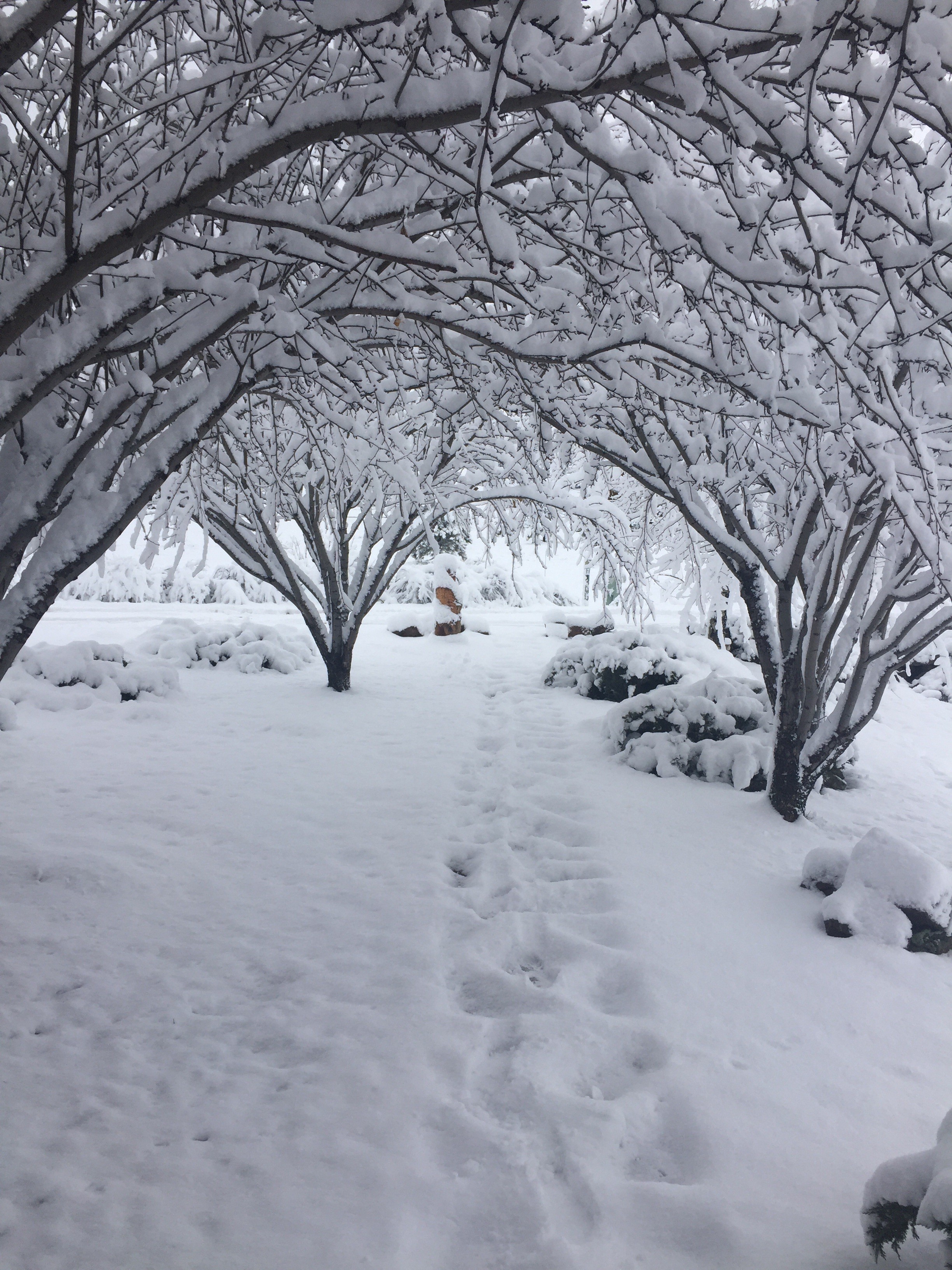
A cleared driveway can still end at a snow-covered set of steps. Ed and Lisa Craft made that distinction during their September conversation: the person who plows a driveway may not be the person who clears the walk or deck. For someone arriving after a long drive, those last few yards matter as much as the parking space.
Fall is a useful time to walk the entire arrival route and decide who handles each part. You can see edges, steps and drainage while the ground is exposed, and you can ask specific questions before the first storm turns an assumption into a problem.
Walk the route in the order a guest will use it
Start where the vehicle leaves the road. Continue through the turning and parking areas, then follow the path to the door with the luggage someone might actually carry. Include the entrance used after dark, the route for taking out trash, and any access that must remain available for emergencies.
Write down the separate surfaces and obstacles. A truck can clear one area while leaving a narrow passage that needs different equipment or hand work. Mark these questions on a simple photograph or sketch and ask the contractor to review it. The goal is a shared description of the job, not a general promise that the property will be “plowed.”
Ask where removed snow will go and whether that location creates another problem later. A pile should not be selected simply because it is convenient for the first push. The contractor can discuss visibility, access and the space needed for later storms; a building professional can address drainage concerns where needed.
Confirm this season’s service
One of Lisa’s practical reminders in the call was to make sure last year’s provider is still working this winter. Confirm that your address is on the route, identify the contact who responds to questions, and get the current scope and price arrangement in writing.
Ask what triggers a visit, how ongoing snowfall affects repeat visits, and what happens when an arrival falls between service rounds. These questions do not establish that a contractor can promise an exact time during every storm. They help you plan around the service that is actually available.
If different people handle the drive and the walkway, decide who checks that the handoff is complete. A message saying “done” should identify what was done. An owner away from the property benefits from a short dated update showing the cleared route and any work still outstanding.
Separate highway conditions from property access
Ed and Lisa described occasions when their own street was not immediately cleared. That is a useful reminder that a private service agreement cannot open a closed public road. Before an arrival, check current road information through COtrip as well as the property’s access update.
Avoid making the guest’s instructions depend on an exact arrival minute. Ask the guest to communicate delays, and provide a clear way to confirm the final approach before continuing. If the trip needs to change, it is better to address that while people can still make a sensible alternative plan.
A homeowner comparing locations can use the same approach: identify who maintains the road, who handles the drive and how the route works for the people who will use it. A summer visit offers a chance to ask those questions even when there is no snow to demonstrate the answer.
Put the right supplies where they can be found
The Crafts mentioned shovels and windshield scrapers because visitors from warmer places may arrive without them. Choose supplies for the actual property and keep them accessible. An item locked in a room the guest cannot enter is not useful preparation.
Have the property professional advise on surface-care products and instructions, including compatibility with the surfaces and pets. Do not assume every guest can shovel, operate equipment or safely clear an icy entrance. Arrange needed assistance and accessible routes in advance, and leave roof work to appropriately qualified help.
Before the season starts, do one final walkthrough using the written instructions. Check that the contact number is correct, the supplies are where the note says they are and every part of the route has a responsible person. The finished plan should carry someone from the road to a warm room without a mystery at the front steps.