
Ed Craft Group · Southwest Colorado Field Notes
Pack the ski day around the people, not just the equipment
Pack for the whole ski day: properly fitted gear, lunch arrangements, meeting points and an easy return to your Southwest Colorado home.
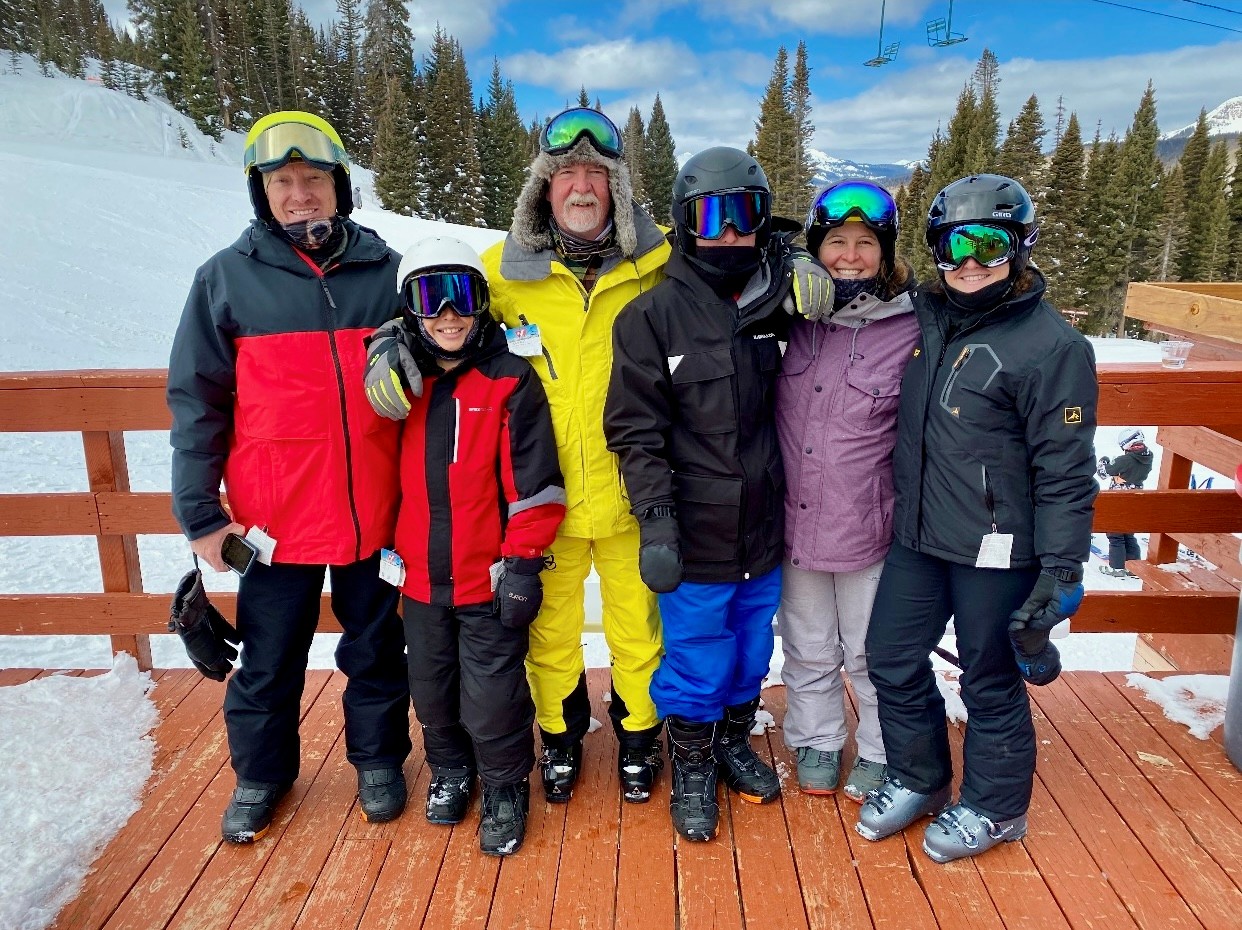
In Ed and Lisa Craft’s September conversation, the ski-day packing list included a cooler and the pleasure of bringing lunch. That small detail shifted the focus from buying a ticket to spending a full day together. The mountain is the setting; the people still need to eat, stay comfortable and find one another.
The most useful packing plan follows the day from the house and back again. It accounts for a cold morning, the logistics of rentals or lessons, breaks, and a tired return. That is a more practical starting point than trying to remember every item while everyone is waiting at the door.
Pack once while there is time to check
Set out each person’s equipment and clothing before the morning rush. Follow the rental or lesson provider’s fitting instructions, and make sure borrowed gear receives appropriate professional checks. Equipment left at a house is not automatically the right size or ready for the next visitor.
Give gloves, eye protection, helmets and suitable layers the same attention as the skis or board. A missing small item can be the one that interrupts the day. Keep the exact resort confirmation and identification requirements with the reservation details so they are easy to find at pickup.
Divide the load sensibly. Personal essentials should stay with the person who needs them; shared items should have a known location. If everyone assumes someone else packed a bag, the checklist has not actually assigned the job. A final check can be brief when the work happened the evening before.
Decide on food before everyone is hungry
A packed lunch can be a pleasant part of the outing, but check the resort’s rules about outside food and where it may be eaten. Do not assume a parking-area picnic or a particular facility is available. Plan for the version of lunch the resort actually permits on your dates.
Choose food that is practical to transport and keep safely stored. Consider dietary needs before packing the shared cooler. Make water and breaks part of the day rather than something to remember only after the group is uncomfortable.
Agree on whether everyone will meet for lunch or reconnect later. Beginners in lessons and experienced skiers may have different schedules. A meeting that fits the real reservations is easier than one that requires someone to abandon the activity they planned.
Use a meeting plan that survives a low battery
Pick a specific meeting place and time, plus a fallback if someone cannot make contact. Make sure children and less experienced participants understand it. “We will text” is useful, but it should not be the entire plan.
Review the resort’s current safety information and how to reach ski patrol. Follow posted signs, closures and the instructions of staff. A change in weather or someone’s comfort can justify ending the day earlier than planned; the group should know how to communicate that decision.
Keep the road journey in mind as the afternoon progresses. Check official conditions before the drive home, and retain the vehicle’s delay supplies even when the destination seems nearby. Lunch arrangements and road preparation are different parts of the packing list.
Set up an easy return to the house
Before leaving, decide where equipment and wet clothing will go on return. Use storage and drying arrangements suited to the items and keep them away from unsafe heat or blocked exits. A place that works for one person may need a little more organization when the whole group comes through the door.
Leave the evening flexible. A simple meal, a dry change of clothes and a place to sit can be more appealing than a second ambitious outing. If equipment must be returned by a particular time, put that task on the shared schedule rather than leaving it for the most tired person to discover.
As you unpack, note the one thing that would make the next ski day easier. Maybe it is a spare pair of gloves, a better meeting point or a lunch arrangement that needs less carrying. A good packing routine develops from those observations until the preparation becomes familiar and the day belongs to the people enjoying it.