
Ed Craft Group · Southwest Colorado Field Notes
Give your first day in the Colorado mountains some breathing room
Give a Colorado mountain arrival room to breathe, with CDC altitude guidance, a flexible first day and symptoms that require a change of plan.
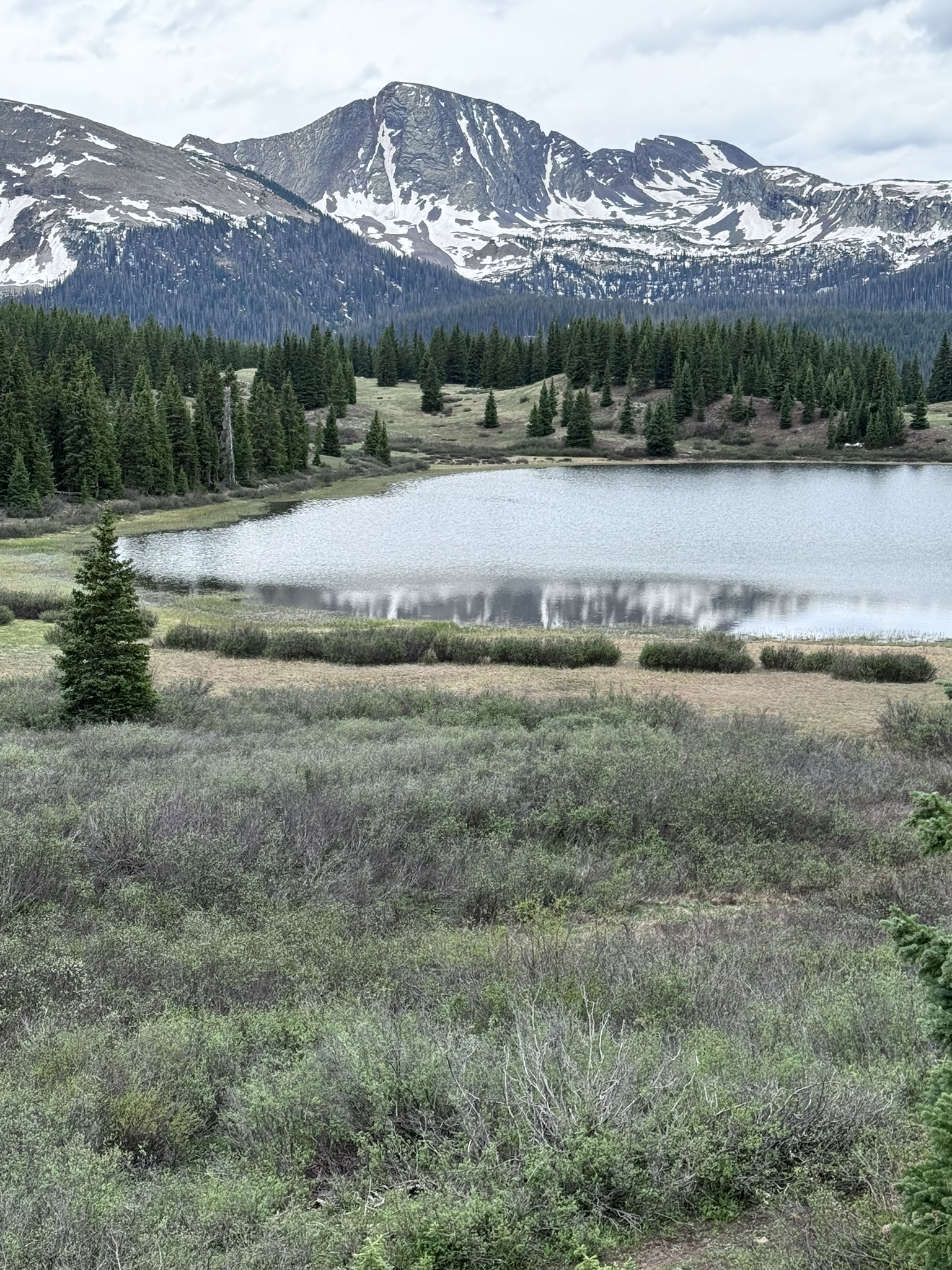
It is tempting to begin a Colorado visit at full speed. The bags are packed, the days away are limited and everyone has an idea for the first afternoon. In their September conversation, Ed and Lisa Craft returned to a more practical beginning: help visitors settle in before expecting them to do everything.
That is especially useful when the trip involves a substantial change in elevation. A welcoming first day leaves room to rest, notice how everyone feels and change the plan. It does not ask a full itinerary to prove that the trip has started well.
Find out where you will sleep
Southwest Colorado includes places at different elevations, so start with the actual lodging location rather than a general description of the region. Tell your clinician about the trip if you have relevant medical conditions, prior altitude illness or questions about your personal risk. Fitness does not guarantee protection from altitude illness.
CDC advises gradual ascent and, when possible, avoiding a direct move from low elevation to a sleeping altitude of 9,000 feet or more in one day. Above 8,000 feet, its traveler guidance recommends avoiding alcohol and heavy exercise during the first 48 hours. Use that guidance to shape the itinerary and discuss individual needs before departure.
Share the plan with the rest of the group. If one person needs a slower start, it helps to know that before tickets and reservations make every activity feel compulsory. A flexible first day is much easier to arrange in advance than to negotiate when someone feels unwell.
Plan an arrival evening that can shrink
Keep dinner straightforward and make essential supplies easy to find. Put personal medications and the first night’s belongings somewhere accessible. The purpose is to reduce effort after travel, not to turn the house into a treatment station.
Choose an opening activity that can be shortened or skipped without disappointment. Quiet conversation, unpacking and an early night are reasonable uses of a first evening. If the group wants to go out, agree that staying in is an equally acceptable option.
The following morning, check in with people before making the day more demanding. Avoid treating the most energetic person as the measure of how everyone should feel. An activity that is enjoyable for one visitor may be a poor fit for another on the same schedule.
Know the signs that call for a different plan
Read CDC’s altitude-illness guidance before travel. Symptoms can include headache with nausea, dizziness or unusual fatigue. Do not ascend higher with symptoms; worsening symptoms require descent, and severe symptoms need emergency care. Confusion, trouble walking or breathlessness at rest should not be written off as an ordinary adjustment.
Drinking water normally is sensible, but hydration alone does not prevent altitude illness. Consumer oxygen cans should not replace medical assessment, descent or proper treatment.
Make sure everyone knows how to reach help and can provide the home’s location. Keep that information available offline. If there is a medical concern, address it directly rather than waiting for an activity reservation or property appointment to finish.
Hosts can make rest feel normal
A host can do a great deal without offering medical advice. Provide clear directions, a comfortable place to settle, simple access to water and the information guests need to make their own decisions. Avoid setting an expectation that everyone should go skiing, hiking or exploring immediately after arrival.
For a home-scouting visit, leave time between travel and a packed day of showings. A quieter start can also improve the visit itself: people can pay attention to the house and surroundings instead of trying to push through an overloaded schedule. Share that preference when arranging appointments.
The first day does not have to deliver every experience you imagined. Its job can be much simpler: arrive, get comfortable and let the next plan fit the people who are actually there. The mountains will still be part of the view when everyone is ready to enjoy them.