
Ed Craft Group · Southwest Colorado Field Notes
Before the thaw: follow the water around your Colorado home
Follow water around a Colorado home before the thaw, with drainage observations, professional moisture assessment and separate radon testing.
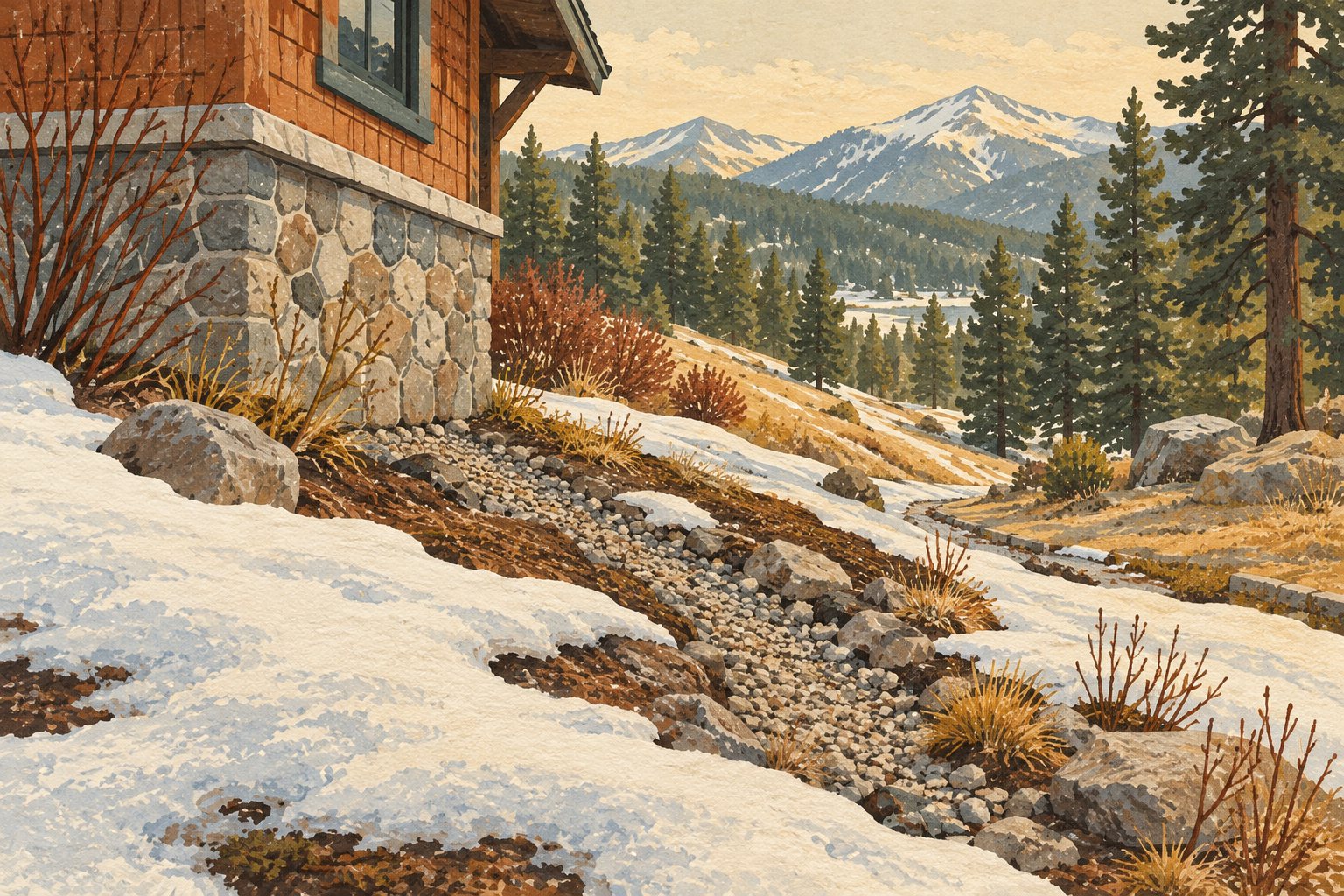
Snow around a house is easy to see. What happens as it melts may be less obvious. In their September conversation, Ed and Lisa Craft moved from winter snow to questions about the space beneath a home. It was a useful shift in perspective: the seasonal view outside and the building’s moisture conditions belong in the same conversation.
You do not need to diagnose a foundation from the yard to begin asking better questions. Start by organizing observations, inspection records and professional advice. The purpose is to understand the water path before choosing a repair or assuming that a clean-looking surface tells the whole story.
Look at the route, not one damp spot
Ask an inspector or qualified building professional about grading, gutters, downspouts and drainage around the actual house. Discuss where snow is stored during removal and what is known about runoff. These details can help explain why a concern appears in one place even when the water begins somewhere else.
Use safe, accessible viewpoints for your own observations. Note where water collects and when it happens, but do not enter an unsafe crawl space or climb an icy roof to investigate. Photographs from a safe location can help a professional understand what you noticed.
Dates and conditions matter. A stain observed after a wet period and a dry surface observed months later are different pieces of information. Keep the record descriptive: what you saw, where and when. Avoid turning that observation into a confident diagnosis before someone qualified has evaluated it.
Find the source before selecting the treatment
EPA’s mold guidance emphasizes moisture control. If there is dampness or staining, ask what is causing it and what the proposed work will address. A cosmetic change does not explain the source, and a product recommended for another building may not fit this one.
Request a scope that distinguishes investigation, repair and any necessary cleanup. Ask how the provider will evaluate the result and what follow-up is appropriate. This keeps the decision focused on the problem rather than simply the most familiar treatment name.
The call included crawl-space work and informal cost estimates. Those are not a specification or quote for another property. Conditions, design and access can differ. Have qualified professionals explain the proposed approach for the actual home before deciding what work to authorize.
Keep radon testing on its own track
Moisture and radon may be discussed during the same inspection, but one result does not settle the other. A dry-looking crawl space does not establish the radon level, and an encapsulation project alone should not be treated as proof of radon reduction.
Use appropriate testing and professional evaluation for radon, including follow-up when mitigation work is performed. Keep those reports distinct from the moisture assessment so the owner can see which question each document answers.
This separation makes the process clearer. If a proposal addresses both concerns, ask the provider to identify the method and verification for each. The word “finished” should refer to specific completed work and results, not a broad assumption that everything below the floor is now resolved.
Plan observations across the seasons
A winter inspection may leave questions that are easier to evaluate during thaw or wet conditions. Ask which issues can be assessed now and which need another visit. Put any follow-up on the calendar with a responsible person, especially if the owner will be away.
For buyers, bring the findings into the actual due-diligence process and discuss deadlines with the real estate team. Do not assume a future seasonal visit can replace a decision required under the current contract. Understand what is known, what is uncertain and how that affects the choice in front of you.
For an existing owner, keep the inspection, photographs, proposed work and completion record together. When the season changes, the next conversation can begin with evidence instead of starting from memory. The useful end to this work is a clearer picture of how the house handles water—and a follow-through plan that lasts beyond the day the snow disappears.