
Ed Craft Group · Southwest Colorado Field Notes
Wood, pellet or gas: choose a heating routine you want to live with
Compare the daily routines behind wood, pellet and gas equipment in a Colorado home, including fuel, maintenance, guest use and power needs.
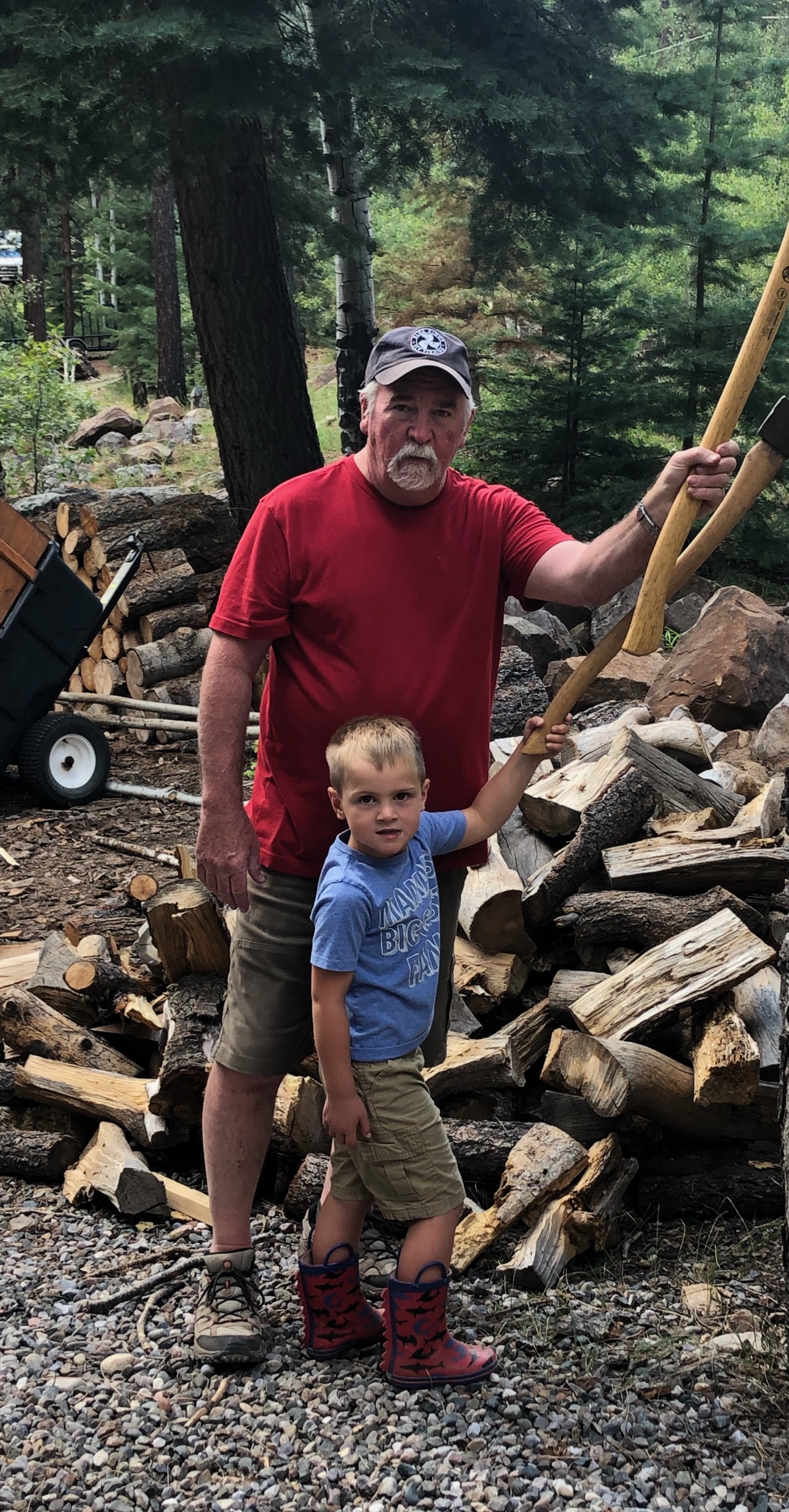
Ed and Lisa Craft’s September conversation made an important distinction between enjoying a fire and maintaining one. They described tending wood fires as part of their daily rhythm, with evening chores before settling in. They also discussed the convenient controls of some gas fireplaces in homes Lisa helps prepare.
That comparison is useful when looking at a Colorado home. Instead of asking only which fireplace looks most inviting, ask what the equipment asks of the person using it. The right questions connect the feature in a photograph to an ordinary week in the house.
Start with the role of the system
Find out what heats the home and how the fireplace or stove fits into that arrangement. Is it primary heat, supplemental heat or mostly an occasional feature? Ask a qualified heating professional or inspector to explain the installed system rather than assuming the answer from its appearance.
Request the model information, manuals and service history. Those records make it possible to ask specific questions about operation, condition and maintenance. If records are missing, identify what needs professional evaluation before relying on the equipment.
For buyers, keep those questions within the actual inspection and contract process. A seller’s fondness for an appliance is useful context, but it is not an assessment of its condition or suitability for your plans. The daily routine and the technical inspection answer different questions.
Picture the work behind each option
Wood heat involves a fuel-handling routine. Think about ordering, storage, carrying fuel and the attention the appliance requires. Ed and Lisa enjoy that involvement in their own home. Another owner may prefer a system that asks less of them on arrival after a long absence.
Pellet equipment has its own fuel, cleaning, controls and power requirements. Ask how fuel is stored, how the particular appliance is maintained and what it does during a power interruption. The category name alone does not tell you how that model will behave.
Gas equipment can offer straightforward controls, but convenient operation does not remove the need for proper installation and service. Ask about the fuel source, delivery or utility arrangement and the power needs of the ignition, fans or controls. Do not assume every gas fireplace will operate in the same way during an outage.
Match the instructions to the people
An owner who knows a system well may underestimate what a first-time guest needs explained. Consider who will use it, whether a demonstration is appropriate and where the specific operating instructions will be kept. Someone should not have to experiment with unfamiliar controls to make the room comfortable.
If the house will host guests, decide which equipment is available for their use and how problems should be reported. A system awaiting service needs a clear restriction, not a vague note that it “sometimes acts up.” Agree on who can authorize professional work and how the owner will be informed.
Think about the less visible parts of the routine too. Can the person using the home manage the fuel-handling tasks? Is the route practical? Who takes responsibility between visits? These questions are about fit, and different households can reasonably reach different answers.
Ask about maintenance before comparing costs
The U.S. Fire Administration recommends annual professional cleaning and inspection of heating equipment and chimneys. Ask the professional what additional attention the specific system and use pattern require. Keep the record with the appliance information.
Compare costs using actual information for the property: fuel, service, any repairs and the work required to operate it. A propane price recalled in a conversation is not a current quote. A low purchase price for equipment is not the full cost of using it over time.
Before choosing, describe a normal winter day from beginning to end. How does the house warm up? What do you need to do before leaving? What happens when you return? The best fit is the one whose routine makes sense to you as well as whose flame looks appealing. That is how a feature becomes a comfortable part of a home.